On this page
- Executive Summary
- About the Coast-to-Coast-to-Coast Tour
- Key Takeaways from the Governor General’s Mental Health Learning and Listening Tour
- Closing Paragraph
Executive Summary
This report captures what Her Excellency the Right Honourable Mary Simon heard during the Mental Health Learning and Listening Tour and the subsequent Symposium on Mental Health. The tour would not have been possible without the support of the Rideau Hall Foundation.
Its purpose is to reflect the voices, experiences, and insights shared by community leaders, practitioners, people with lived experience, and partners across Canada. The report organizes these findings under four key themes that emerged throughout the tour and symposium: strengthening peer support services, advocating for systemic change, reducing mental health stigma, and building resilience. Across these discussions, participants also highlighted the ongoing challenge of limited resources and funding, which often constrains the ability to fully implement and sustain these initiatives.
These insights are a reflection of what was heard and are intended to inform ongoing dialogue, inspire collaboration, and amplify the voices of those working to create a more inclusive and responsive mental health system in Canada.
About the Coast-to-Coast-to-Coast Tour
In July 2024, the Governor General launched the Mental Health Learning and Listening Tour to help highlight the mental health and wellness needs of diverse communities, particularly those in remote, rural and northern communities. By connecting Canadians, practitioners and people with lived experience, the tour aimed to help inspire networks of support and the sharing of best practices.
The tour comprised four stops, in Newfoundland and Labrador, Manitoba, British Columbia and Nunavut. Each stop included a learning visit to showcase a leading mental health practice or program, and a listening session involving a facilitated, roundtable discussion with service providers and individuals with lived experience.
The Governor General's Mental Health Learning and Listening Tour culminated in a symposium at the Citadelle in Québec on October 8, 2025. The symposium brought together practitioners from each Tour stop along with guests from across Canada—philanthropists, public officials, changemakers and organizations—forming a nationwide network of multidisciplinary experts united in advancing mental health.
Discussions centered on four key themes identified during the tour: peer support, advocacy, resilience building and stigma reduction.
Key Takeaways from the Governor General’s Mental Health Learning and Listening Tour
Strengthening Peer Support Services
Discussion Highlights
- Support is built on empathy, trust, authenticity and lasting human connection; it empowers people through shared lived experience rather than as a “band aid” solution.
- Peer support requires proper training, meaningful pay and recognition; it must be adaptable to different settings—workplaces, Indigenous communities, recovery centres—because one size does not fit all. While peer support often begins as volunteer‑driven and deeply rooted in community‑based roles, participants emphasized the importance of evolving these positions into sustainable careers that recognize lived experience and provide fair compensation. Consequently, it was suggested that the term “peer support” itself may need to be re‑evaluated.
- Programs need to be trauma-informed, culturally sensitive and responsive to local needs, including fast access to safe spaces and mobile mental health support, especially in northern and underserved areas. This includes ensuring services are delivered in Indigenous languages where possible, as language is deeply tied to identity, culture and healing.
- Peer Support provides hope, healing, affirmation and validation; it builds trust quickly, fosters continuous personal and professional growth, and demonstrates measurable social impact that strengthens community investment and support.
- These efforts recognize that mental health and physical health are deeply interconnected: one cannot thrive without the other. It underscores the need for holistic approaches to well-being.
As one participant said: “Peer support is not a band aid. It is a blueprint.”
Participants consistently described peer support as the blueprint for a more accessible and humane system—rooted in empathy, mutual recognition and the credibility of lived and living experience. When someone can speak to a peer who understands the journey, trust forms quickly and doors open to care that might otherwise remain distant or out of reach. That trust is especially crucial in communities where services are sparse or culturally mismatched; peers can bridge distance, language, and identity, meeting people in places that feel safe—community hubs, land‑based settings, or local organizations—rather than expecting them to navigate unfamiliar clinical environments. To sustain this role, peer support must be professionalized with fair compensation, supervision, and micro‑credentialed training that is rigorous yet adaptable to local realities.
Participants cautioned against “one‑size‑fits‑all” standards: the strength of peer work lies in its cultural specificity and community co‑design. Recognizing peer supporters as subject‑matter experts—and resourcing their own well-being through mentorship and decompression—ensures the doorway they open to services is not only welcoming but reliably open.
In many rural, remote, and northern communities, peer support coverage is patchy, and infrastructure gaps (limited crisis teams, scarce transportation, unreliable connectivity) delay or derail timely help. Participants described the need for mobile crisis teams, rotational staffing and community-designed services that “meet people where they are.”
The distinction between credentialed expertise and lived expertise matters: formal systems should recognize peer supporters as subject‑matter experts, and peers themselves require structured supervision, mentorship, and debriefing to reduce burnout. Organizations can also play a role by visibly advocating peer support, including policy and funding reforms that value outcomes such as trust, belonging and engagement.
|
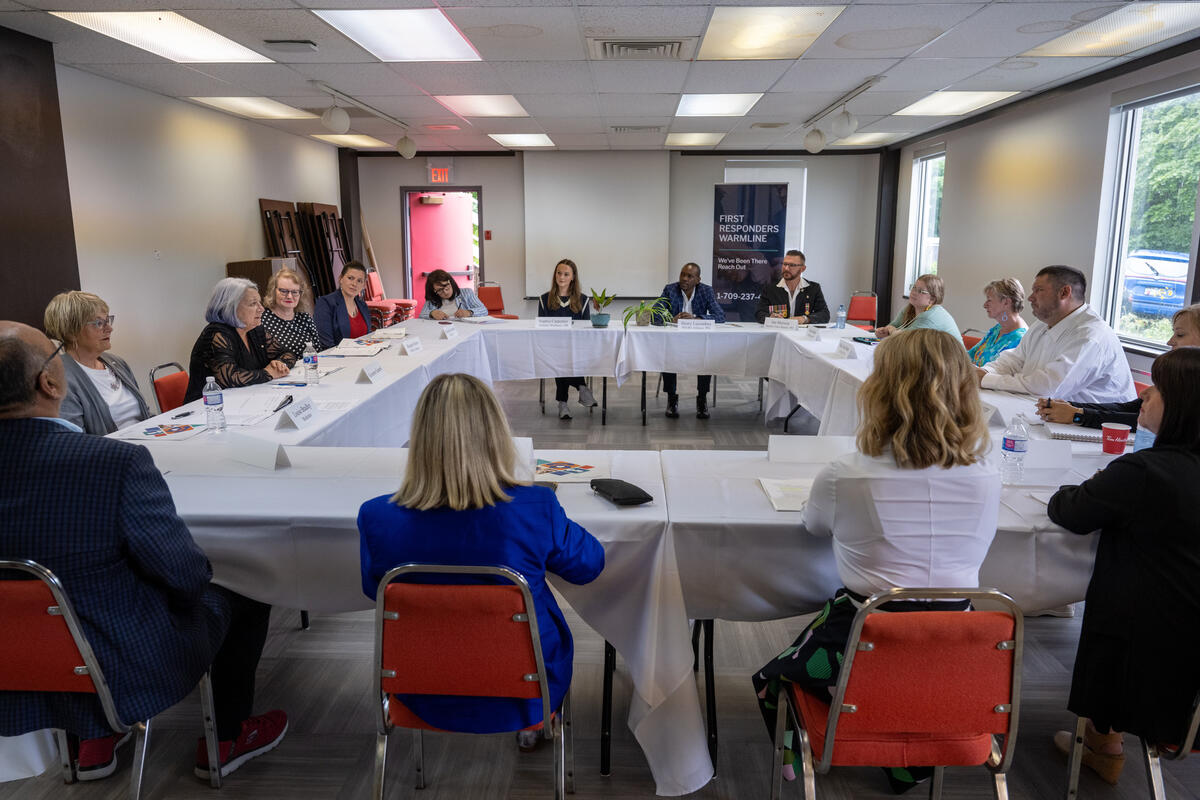
SPOTLIGHT: Lifewise Peer Support Services (Newfoundland and Labrador) Lifewise is a peer-led mental health and addictions organization in Newfoundland and Labrador that has been operating for more than 30 years, serving children, youth, adults, families and first responders through province-wide programs such as warm lines, peer support groups, individual peer support, family support, community outreach and public education. As the only provincial organization founded and run by people with lived experience, Lifewise employs over 100 staff and delivers tens of thousands of peer interactions annually, including specialized programs like first responder and perinatal supports. A key partner in strengthening peer support services, Lifewise demonstrates how peer-driven models build trust, improve access—particularly in rural and remote areas—and complement formal care systems. Through standardized training, advocacy for fair compensation and culturally relevant approaches, Lifewise reflects national priorities for sustaining effective peer support while contributing meaningfully to the mental health continuum of care. |
Reducing Mental Health Stigma
Discussion Highlights
- Reducing stigma requires culturally safe services, respectful language and safe spaces for people to share their experiences.
- Storytelling and peer support are powerful tools to challenge stereotypes and normalize mental health challenges.
- Media, education and community engagement play key roles in creating understanding.
- Ultimately, both systems and communities must support individuals, shifting the focus from blaming people to building inclusive, supportive environments for everyone.
As one participant said: “The most important story is the one we tell ourselves.”
Participants described stigma as systemic, social and internalized—often worse than the illness itself—and noted that it persists in spaces meant to be safe, including health care settings, workplaces and community services. They emphasized that access and stigma are deeply intertwined: in smaller or remote communities, privacy concerns and fear of judgment deter help‑seeking, while for Indigenous communities, stigma compounds colonial harms and cultural mismatch in services, underscoring the need for culturally defined safety.
Standard awareness campaigns were viewed as necessary but insufficient; what shifts attitudes and behaviours is contact‑based education paired with storytelling from people with lived experience, delivered with person‑first language that affirms dignity.
Youth were identified as powerful catalysts for changing narratives, though they require safe, structured platforms to share experiences “from a scar, not from an open wound.” Participants also highlighted addictions‑related stigma—spanning substances as well as gaming, technology and sex—where moralizing attitudes and service gaps further limit access and isolate youth.
Participants emphasized that employers need support to create psychologically safe workplaces—especially in sectors where mental health workers face their own challenges. Reducing stigma means changing systems so that safe spaces are shaped by the people who use them, and workers can access help without having to prove they are “sick enough to deserve it.”
|
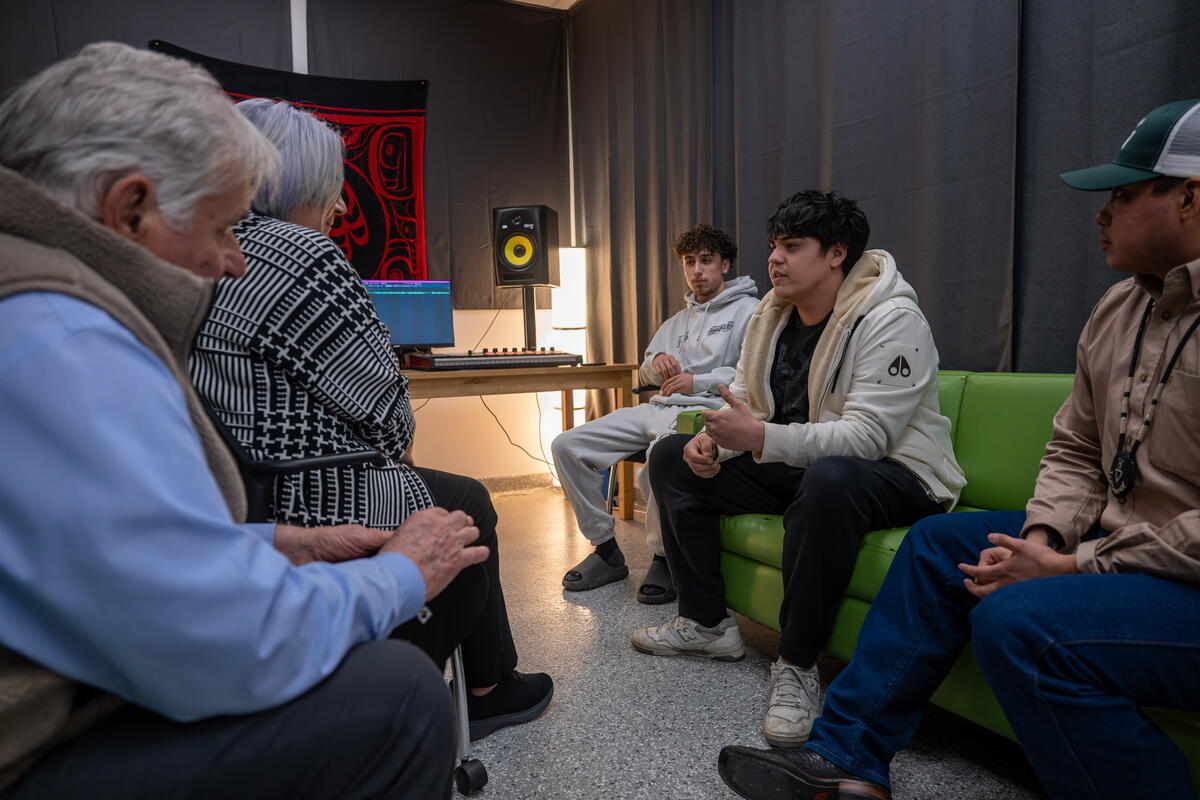
SPOTLIGHT: DUDES Club (British Columbia) DUDES Club was founded in 2010, in Vancouver’s Downtown Eastside, and has since expanded to over 35 active clubs across British Columbia and several partner groups in other provinces, serving mainly Indigenous and gender-diverse men—typically youth, adults, families and first responders—facing social marginalization. Clubs attract 50–60 men to bi-weekly meetings in urban centres and support 23 communities with 139 participants in a recent evaluation. By offering participant-led safe spaces rooted in Indigenous worldviews, DUDES Club normalizes conversations about mental health and addictions, directly reducing stigma, shame and isolation. Its model aligns with stigma-reduction strategies discussed at the symposium—contact-based engagement, storytelling and culturally defined safe environments—all of which challenge traditional expectations of masculine resilience and encourage vulnerability. |
Advocating for change in mental health
Discussion Highlights
- Effective advocacy gives a voice to people with lived and living experience of mental illness, ensuring they have agency, decision-making power, and support to share their stories safely.
- Organizations need to intentionally engage and compensate people with lived experience, recognize the personal impact of advocacy, and provide mentorship and peer or elder support.
- Collecting mental health information at the community level is critical to inform policy, while addressing issues of data ownership and avoiding overburdening individuals with repeatedly sharing their experiences.
- Creating wraparound, trauma-informed, culturally grounded services and investing in peer support—including possible national certification—can bridge gaps between lived experience and systemic change, improving access and quality of care.
- Services must be offered in culturally safe spaces and in the first language of those seeking help. In Indigenous communities, mental health support should prioritize delivery in Indigenous languages where possible, as language is inseparable from identity, culture and healing; without it, trust and understanding suffer, and the effectiveness of care is diminished. At the same time, we must remain sensitive to individuals and communities who have lost or are losing their Indigenous languages, ensuring that support is provided in ways that honour their cultural identity and foster reconnection where possible.
As one participant said: “You can’t rely on the lowest paid individual to change a system – you need to find avenues to value it.”
Advocacy was framed as a movement that turns lived experience into decision‑shaping power—rebalancing funding, redesigning workflows, and embedding mental health in sectors like housing, education, employment, and justice.
Participants stressed that advocacy must be intentional and compensated, bringing in diverse voices to co‑design programs that reflect local identities and realities rather than imposing centralized templates. That orientation directly improves access: when people help design the pathways, those pathways are clearer to navigate, better aligned with cultural norms, and available through “no wrong door” models that allow entry from schools, workplaces, community centres, and peer‑led initiatives, not just specialist clinics. Effective advocacy also depends on community‑based indicators and data sovereignty so decisions can be made with granular, locally owned evidence—without requiring individuals to relive trauma for every grant application.
Participants acknowledged the promise of digital tools while underscoring the practical limits of connectivity in northern and remote regions. Advocacy must press for infrastructure that enables tele‑mental health where feasible while investing in on‑the‑ground services that people can reach today.
Ultimately, advocacy succeeds when budgets and policies fund the access points people actually use, measure success in terms of timely help and cultural safety, and normalize mental health as part of everyday systems rather than a silo.
|
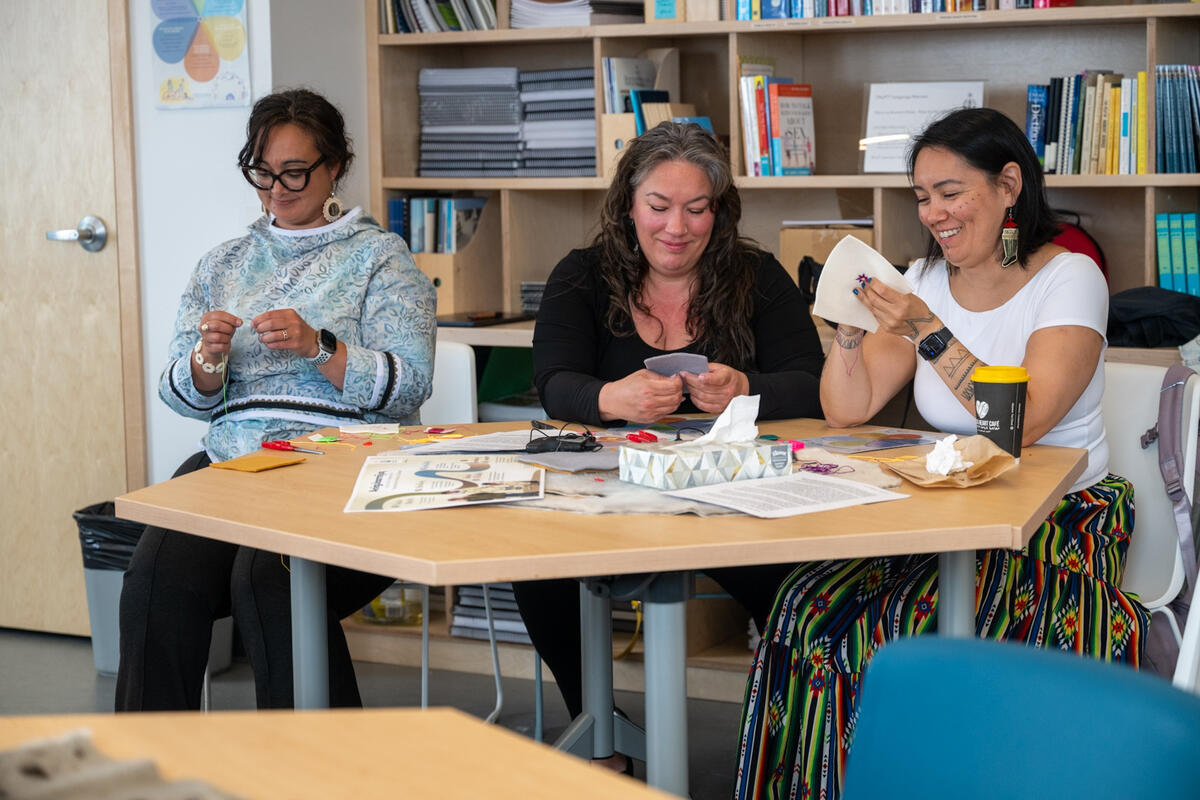
SPOTLIGHT: Qaujigiartiit Health Research Centre (Nunavut) Qaujigiartiit Health Research Centre was founded in 2006, by Nunavummiut to serve communities across Nunavut. With a core team of 7 full-time and 10–15 part-time staff, it has involved more than 1 000 local residents in training workshops, pilot research projects and student initiatives—and has brought over $20 million in funding into the territory. The centre's clientele reflects the full spectrum of communities in Nunavut: children, youth, parents, Elders and front-line workers. By integrating Indigenous knowledge systems (Inuit Qaujimajatuqangit) with Western science, Qaujigiartiit ensures research is co-designed with communities on issues like youth wellness, mental health, sexual health, food security, housing, and chronic disease—making the research process respectful, safe, and culturally grounded. These community-led projects include contact-based engagement and local storytelling, which contribute to stigma reduction and serve as powerful forms of advocacy, influencing policies and decision-making in mental health. Through its action-oriented research and community advocacy, Qaujigiartiit is not only advancing culturally relevant health solutions but also pushing for systemic change in Nunavut’s mental health landscape. |
Building Resilience
- Resilience is shaped not just by our traits but by where we have been and who we have met. Strong relationships with family, friends and community help people overcome challenges. For many Indigenous and marginalized communities, resilience is also connected to culture, language and shared history.
- While resilience can develop through hardship, it should not fall solely on individuals to find solutions. Coping with challenges caused by unsupportive systems can lead to stress and exhaustion. Systems themselves need to be stronger and more supportive.
- Resilience can be grown intentionally through culture, community and hope. Safe spaces for conversations, storytelling, and shared experiences help people develop resilience naturally. When supported, resilience becomes a source of hope, courage and strength for everyone.
As one participant said: “By focusing on connection, culture, and community, we can help people and communities grow stronger and more hopeful for the future.”
While resilience often emerges through hardship, participants stressed that it should not fall solely on individuals to navigate systemic barriers. Coping with challenges caused by fragmented or inaccessible services can lead to exhaustion and despair. Systems themselves must be resilient—flexible, compassionate, and designed to reduce the burden on those they serve. This means creating pathways that are easy to reach, whether through mobile and rotational teams in remote regions, walk-in options in community hubs, or tele-mental health where connectivity allows. It also means ensuring trained community members are available to provide culturally relevant and trusted support.
When services are responsive and culturally grounded, resilience becomes a shared responsibility rather than a survival requirement.
Resilience can also be cultivated intentionally through culture, community and hope. Safe spaces for conversation, storytelling, and shared experiences allow people to process hardship and build strength collectively. These spaces—whether land-based programs, mentorship circles, or peer-led initiatives—help transform resilience from a coping mechanism into a source of courage and optimism. Supported by accessible systems, resilience becomes more than endurance; it becomes a pathway to thriving.
|
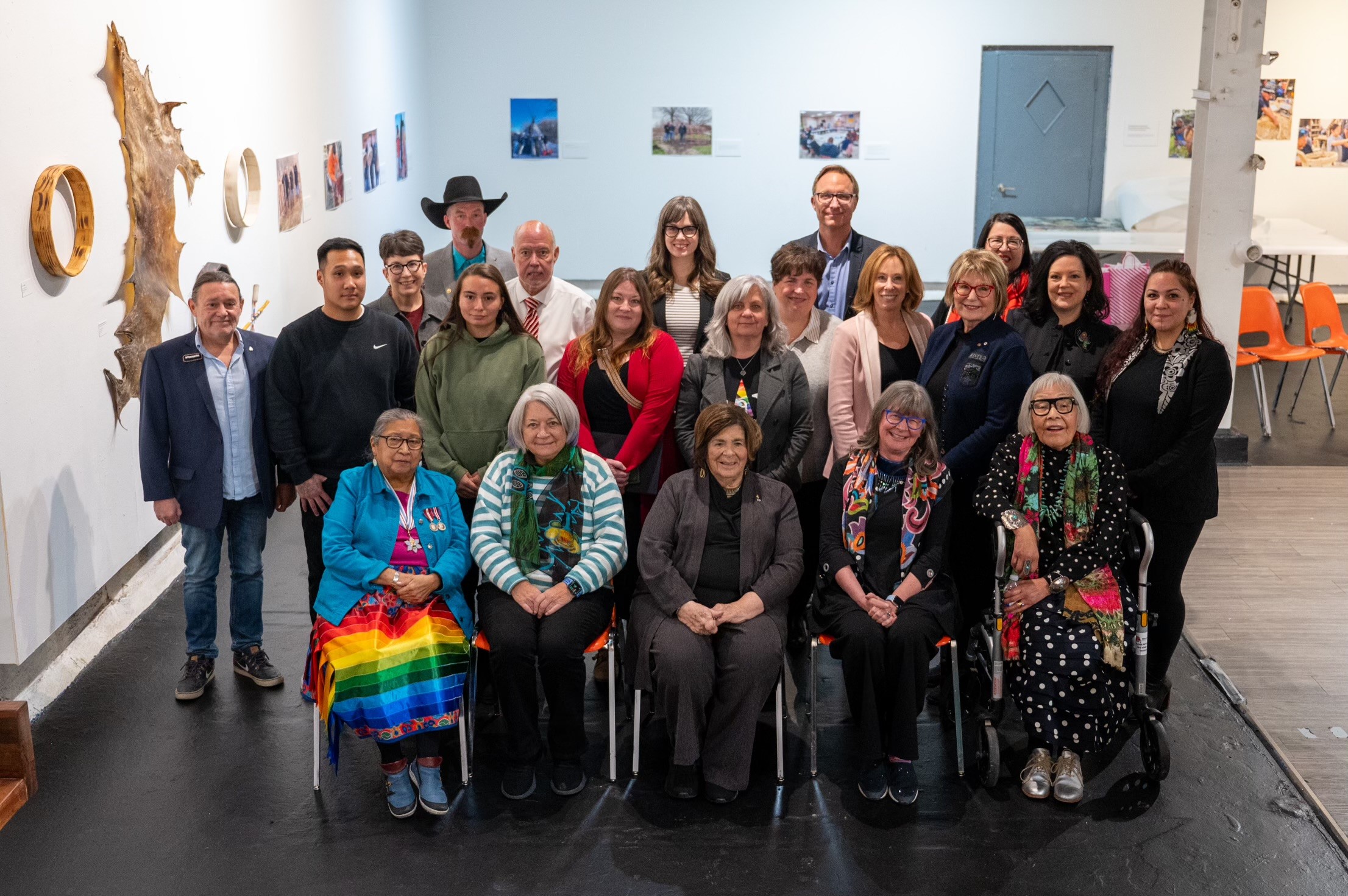
SPOTLIGHT: Graffiti Art Programming Inc. (Manitoba) Graffiti Art Programming Inc. (GAP), established in 1998, and officially registered as a charity in 2002, is a Winnipeg-based non-profit serving children, youth, young adults—including First Nations, Inuit, Métis, newcomers, and people with lower income—through free, community-led programs rooted in urban art and hip-hop culture. Operating 13 community art studios, GAP offers approximately 33 weekly workshops covering visual arts, dance, spoken word, DJing and more. It also hosts over 12 000 studio visits annually, plus 6–8 gallery exhibitions, which are attended by approximately 3 000 visitors each year. By blending creative skills training, mentorship and employment pathways through initiatives like the st.ART Project, Urban Canvas and st.ART kits, GAP builds resilience among youth—nurturing confidence, identity, emotional literacy and a sense of belonging. Its model creates culturally responsive, safe spaces that empower young people to navigate challenges through self-expression and connection. |
Closing Paragraph
The Mental Health Learning and Listening Tour has been an eye-opening and affirming journey, revealing both the diverse range of services available across Canada and some of the gaps, as well as the unique challenges faced by communities in different regions. It is the Governor General’s hope that this report, along with the insights gained through these conversations, will contribute meaningfully to the ongoing national discourse on mental health, and will inspire practitioners and individuals with lived experience to continue telling their stories and offering solutions that foster understanding, resilience and progress. When we look after our mental and physical well-being holistically, our healing journey becomes easier, reminding us that true health is interconnected.
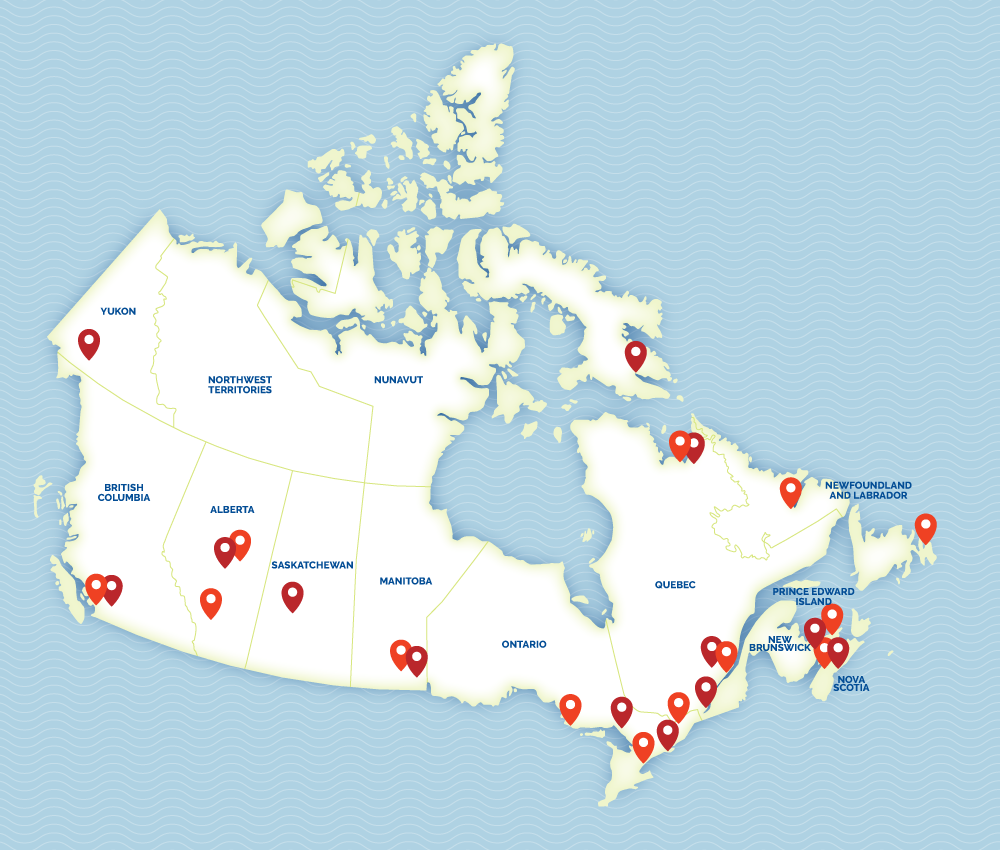
The map below illustrates the network of organizations engaged by the Governor General during the Mental Health Learning and Listening Tour, reflecting the breadth of connections forged to advance mental health across Canada.
Western Canada
Alberta
Calgary Counselling Centre Calgary
The Alex Community Health Centre Calgary
CASA Mental Health Edmonton
Parents Empowering Parents Society Sherwood Park
British Columbia
Douglas College New Westminster
North Shore Peer Support Program Vancouver Coastal Health North Vancouver
The Kaleidoscope Mental Health Support Society North Vancouver
DUDES Club Vancouver
Open Door Group Vancouver
The 625 Powell Street Foundation Vancouver
First Nations Health Authority West Vancouver
Manitoba
Schizophrenia Society of Canada Steinbach
Bruce Oake Centre Winnipeg
Graffiti Art Programming Inc Winnipeg
Peer Connections Manitoba Winnipeg
Resource Assistance for Youth Winnipeg
The Southern Chiefs’ Organization Winnipeg
Tunngasugit Inc. Winnipeg
Saskatchewan
OUTSaskatoon Saskatoon
SaskAgMatters Saskatoon
Saskatchewan Health Authority Saskatoon
Northern Canada
Nunavut
Nunavut Tunngavik Incorporated Iqaluit
Pirurvik Centre Iqaluit
Qaujigiartiit Iqaluit
Tukisigiarvik Wellness Centre Iqaluit
Uquutaq Iqaluit
Yukon
Boreal Clinic Whitehorse
Mental Wellness and Substance Use Services Whitehorse
Central Canada
Ontario
Mood Disorders Society of Canada Belleville
Akausivik Inuit Family Health Ottawa
Atlas Institute for Veterans and Families Ottawa
Canadian Alliance on Mental Illness and Mental Health Ottawa
Canadian Forces Morale an Welfare Services Ottawa
Genome Canada Ottawa
Mamisarvik Healing Centre Ottawa
Mental Health Commission of Canada Ottawa
National Inuit Youth Council Ottawa
Rideau Hall Foundation Ottawa
The Men's Project Ottawa
Algoma Family Services Sault Ste. Marie
Giyak Moseng - The Right Path Counselling and Prevention Services Nippising First Nation Sturgeon Falls
Arctic Youth Network Toronto
Canadian Mental Health Association Toronto
Canadian Women’s Foundation Toronto
Kids Help Phone Toronto
Peer Support Canada Toronto
The Centre for Addiction and Mental Health Toronto
Unsinkable Toronto
YWCA Toronto
Quebec
Nunavik Regional Board of Health and Social Services Kuujjuaq
Bell Let's Talk Montréal
Le Mûrier Montréal (available in French only)
Réseau Alternatif et Communautaire des ORganismes (RACOR) en santé mentale Montréal
Nunavik Regional Board of Health and Social Services Nunavik
Association québécoise pour la réadaptation psychosociale-AQRP Québec (available in French only)
La Boussole Québec (available in French only)
Le Pignon Bleu Québec (available in French only)
Maison l’Éclaircie Québec (available in French only)
First Nations of Quebec and Labrador Health and Social Services Commission Wendake
Eastern Canada
New Brunswick
Atlantic Wellness Moncton
Nova Scotia
Laing House Halifax
S.O.A.R. Kentville
Prince Edward Island
Mental Health and Addictions Charlottetown
PEERS Alliance; Charlottetown
PEI Alliance for Mental Well-Being Charlottetown
Serene View Ranch Stratford
Newfoundland and Labrador
Lifewise Mental Health Peer Services Happy Valley-Goose Bay
Mental Health and Addictions Services - Labrador-Grenfell Zone Happy Valley-Goose Bay
Opioid Dependency Treatment Hub Happy Valley-Goose Bay
Stepped Care Solutions Mount Pearl
CMHA Newfoundland Labrador St. John’s
Mental Health Foundation St. John's
Cat. No. SO2-24/2026E-PDF
ISBN 978-0-660-97933-5
© His Majesty the King in Right of Canada, as represented by the Office of the Secretary to the Governor General (2026).