2011 Killam Prizes
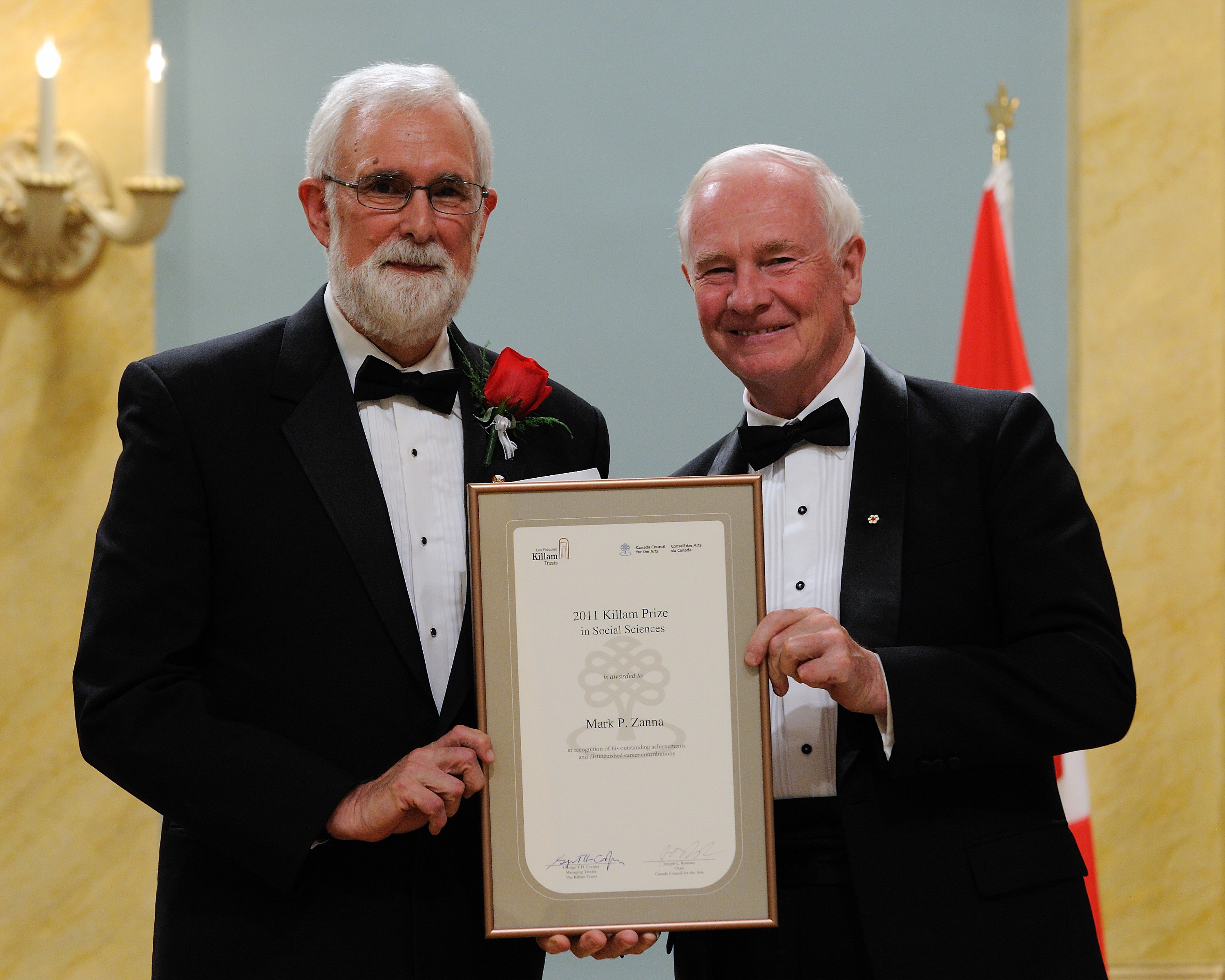
Mark P. Zanna is one of only a handful of academic social psychologists whose theories have been applied to such major social issues as racial prejudice. Described by his peers as one of the leading social psychologists in Canada, he is among the most-cited social psychologists in the world. Mark’s Zanna’s work has given momentum and direction to research into social attitudes. He and his colleagues are credited with establishing one of the world’s top social psychology programs at the University of Waterloo.
Wed, 10/12/2011 - 12:00 Sgt Ronald Duchesne, Rideau Hall GG2011-0578-010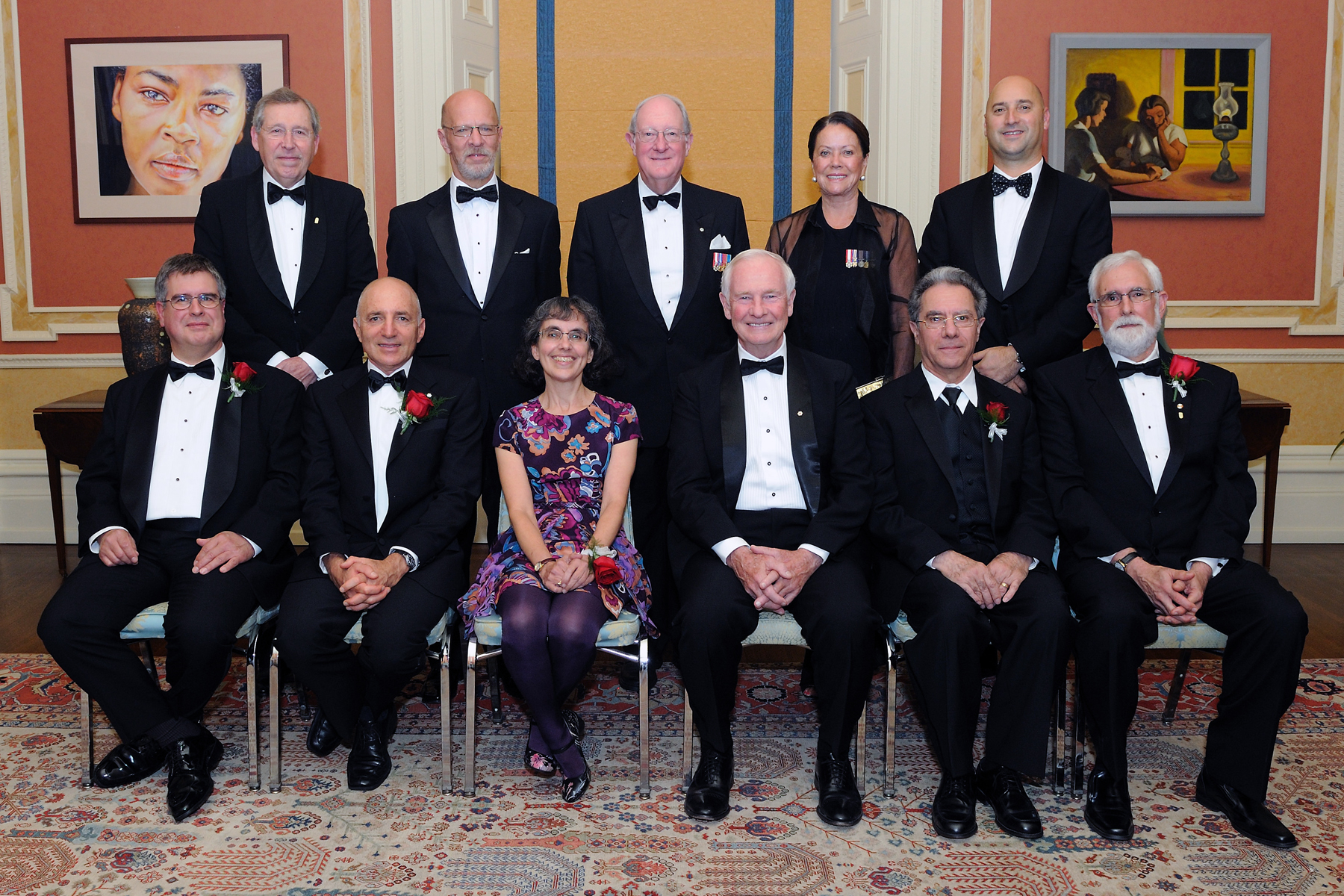
His Excellency the Right Honourable David Johnston, Governor General of Canada, presented the 2011 Killam Prizes to five eminent Canadians during a ceremony at Rideau Hall.
Wed, 10/12/2011 - 12:00 Sgt Ronald Duchesne, Rideau Hall GG2011-0578-001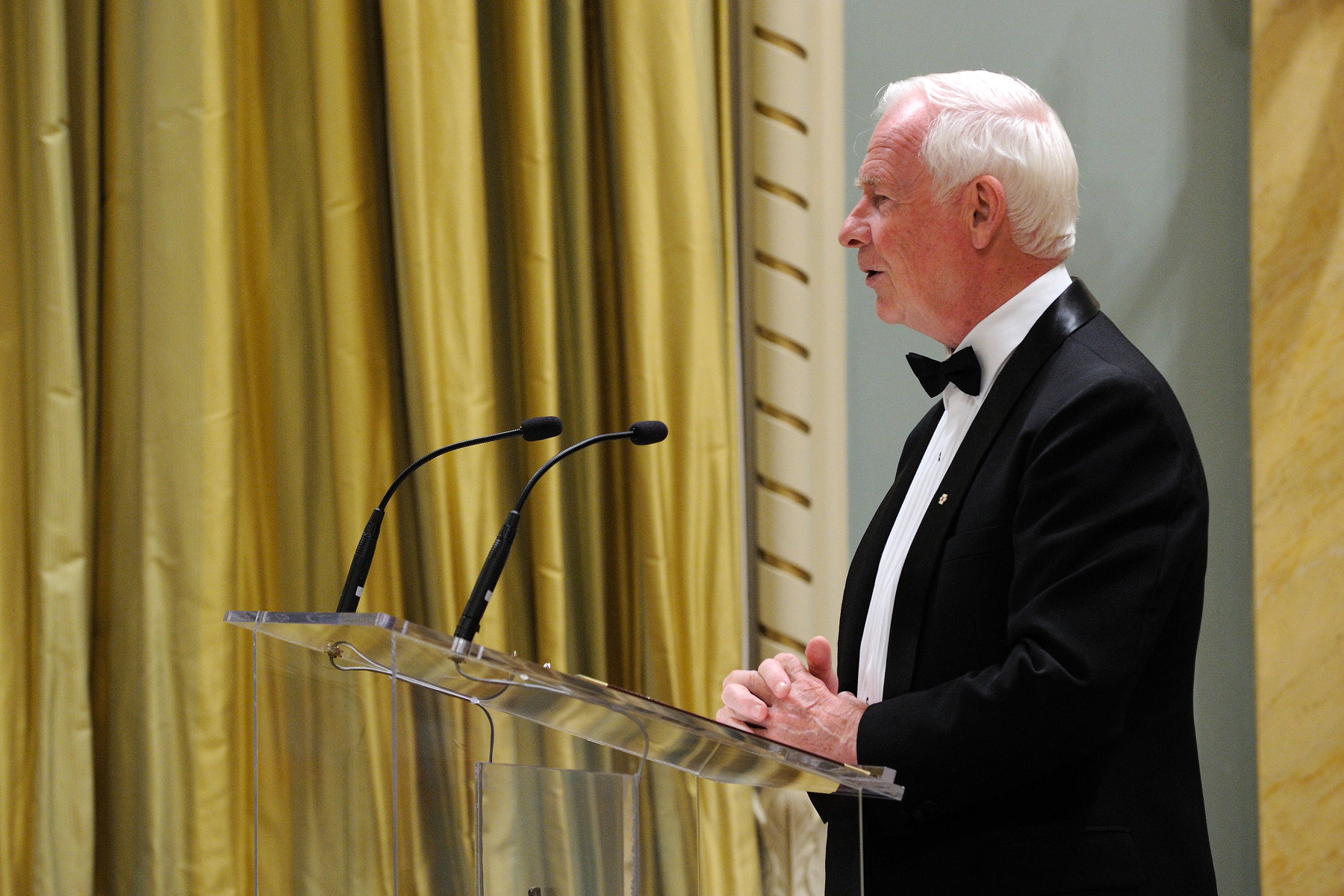
His Excellency offered the following words to the Killam Prize laureates: "You embody the conviction that learning is a lifelong endeavour. Quite apart from that which your research has taught us about the human and natural world, I belive that we can all learn from your example."
Wed, 10/12/2011 - 12:00 Sgt Ronald Duchesne, Rideau Hall GG2011-0578-003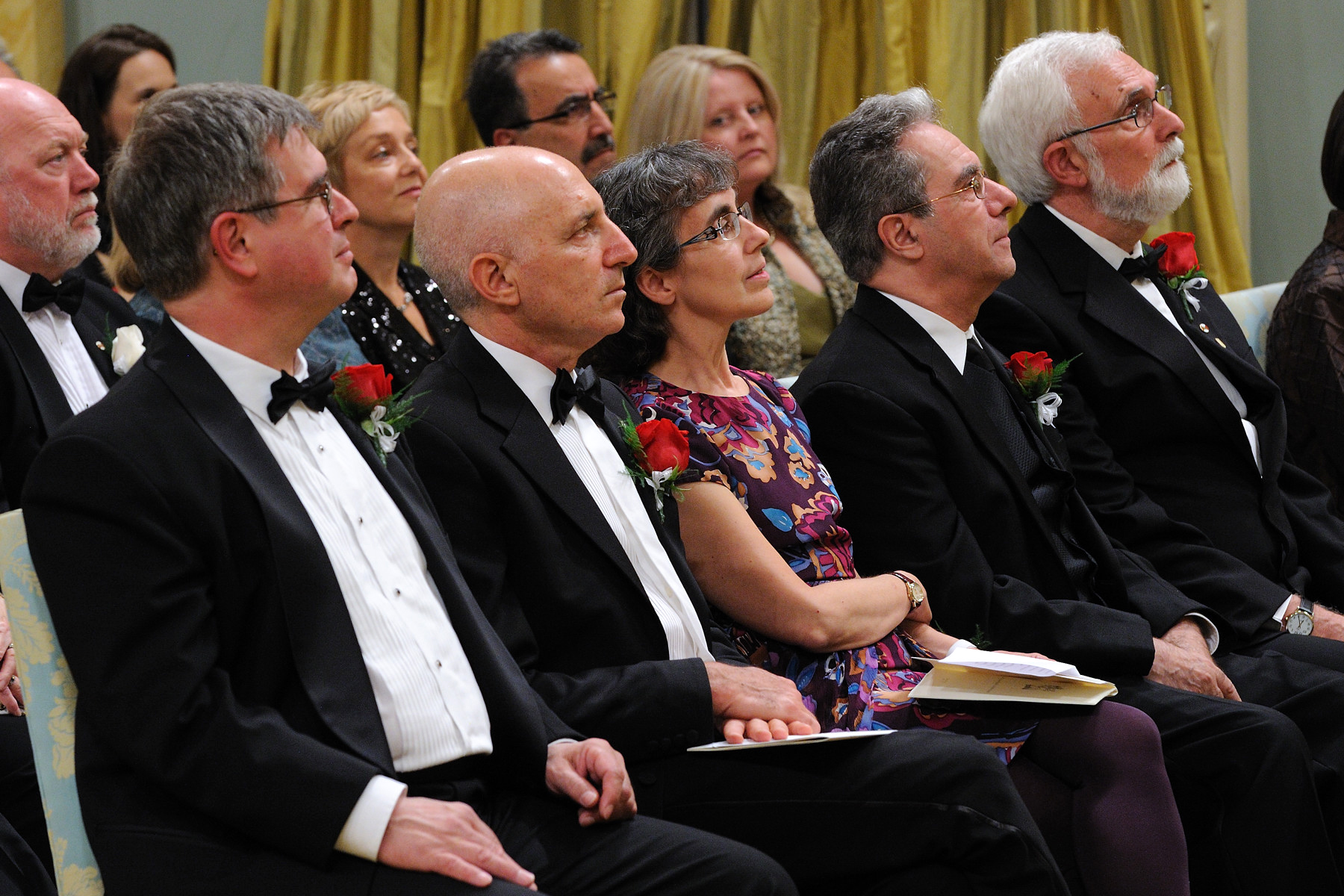
The Killam Prizes are awarded annually for the outstanding career achievements of Canadian scholars in health sciences, engineering, humanities, natural sciences and social sciences. These awards were inaugurated in 1981, through a donation by Mrs. Dorothy J. Killam, in memory of her husband, Izaak Walton Killam. The prizes were created to honour Canadian scholars and scientists actively engaged in research, whether in industry, government agencies or universities.
Wed, 10/12/2011 - 12:00 Sgt Ronald Duchesne, Rideau Hall GG2011-0578-005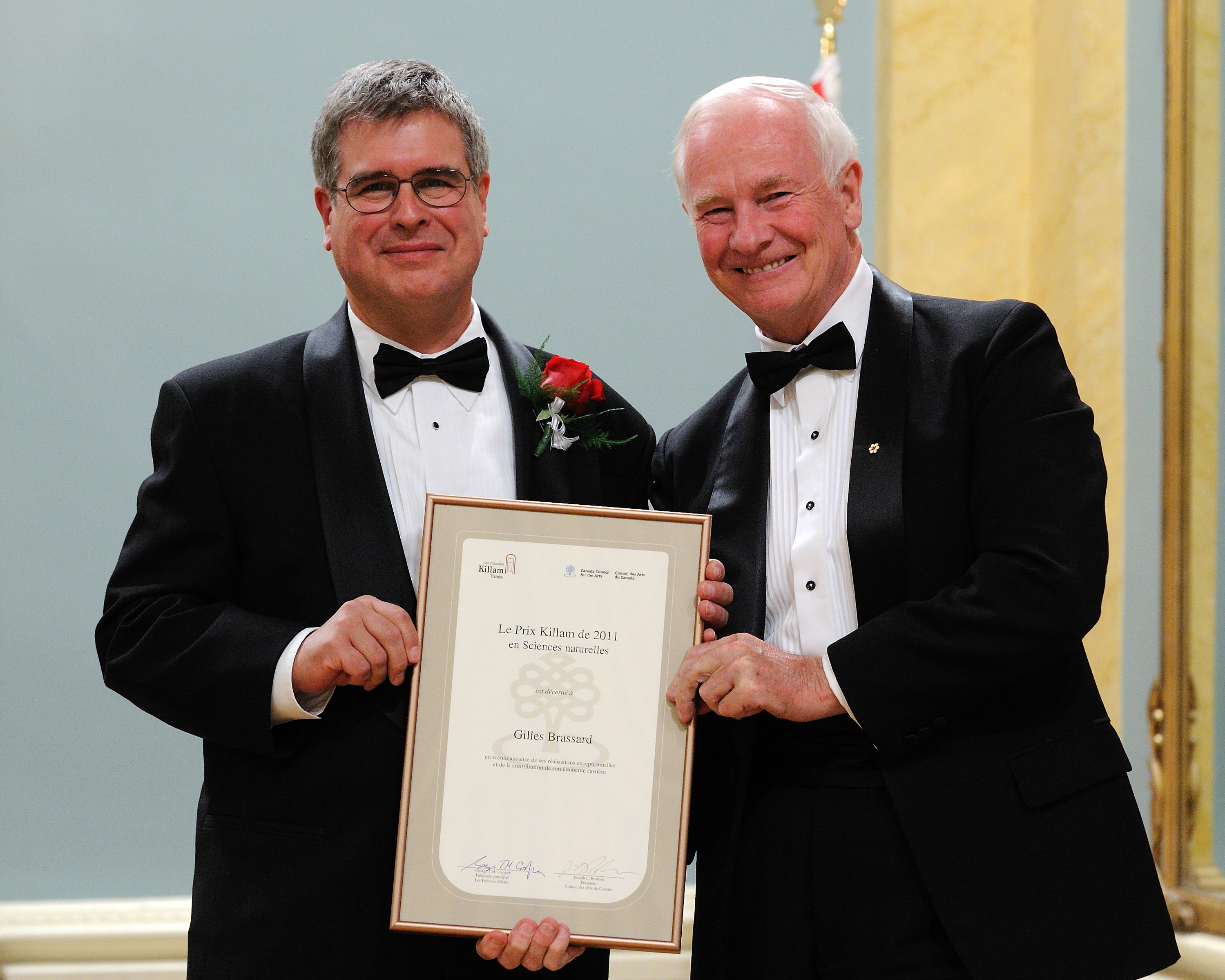
Gilles Brassard is recognized as one of the world’s foremost computer scientists and best-known pioneers in the field of quantum information science, particularly for his invention of quantum cryptography and quantum teleportation. In 1984, along with Charles H. Bennett, Gilles Brassard developed the BB84 protocol, which is the most secure method of encrypting information for confidential transfer from one party to another. Their discovery was named one of the “10 emerging technologies that will change the world” by the Massachusetts Institute of Technology, in 2003. More recently, he has been working on the theoretical and experimental investigation of the art of flipping coins by use of quantum-mechanical phenomena. He dreams of new foundations for quantum mechanics based on information-theoretic principles.
Wed, 10/12/2011 - 12:00 Sgt Ronald Duchesne, Rideau Hall GG2011-0578-006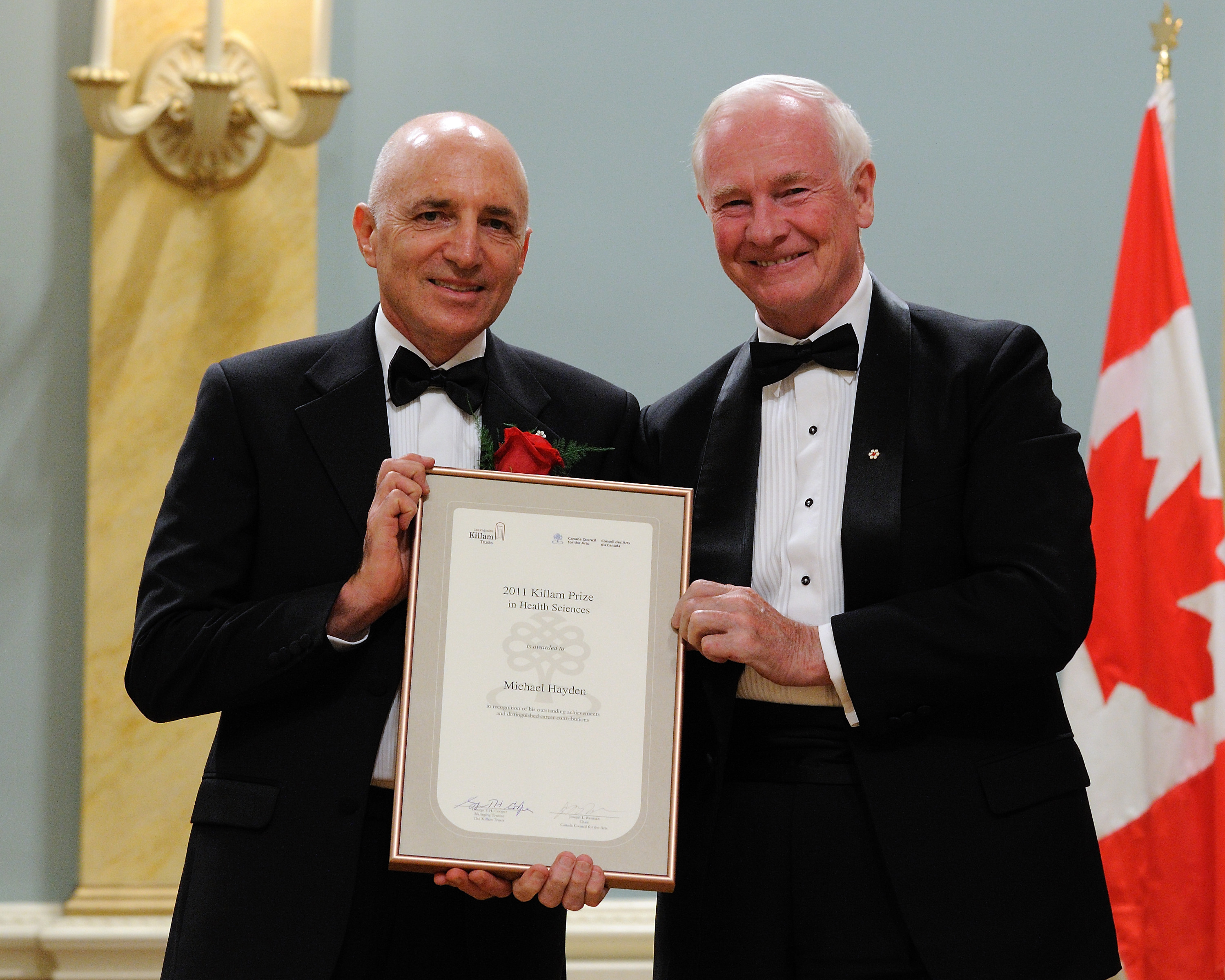
Internationally known for his genetic research, Michael Hayden is best described as a humanitarian, one of those rare individuals whose life’s work has bridged theory and practice. Michael Hayden’s scientific career began with his investigations into Huntington’s disease and his discovery of neuroendocrine abnormalities. Ultimately, his research led to predictive testing for this devastating illness. His later work has also greatly contributed to the understanding and gene identification of atherosclerosis, Huntington’s disease and inherited lipid disorders, in which harmful amounts of fatty materials called lipids accumulate in the body. Director and senior scientist with the Centre for Molecular Medicine and Therapeutics at the University of British Columbia, Michael Hayden is also the founder of three successful biotechnology companies. He is also involved in an international fundraising effort to establish a community centre for HIV/AIDS-affected children in his native South Africa.
Wed, 10/12/2011 - 12:00 Sgt Ronald Duchesne, Rideau Hall GG2011-0578-007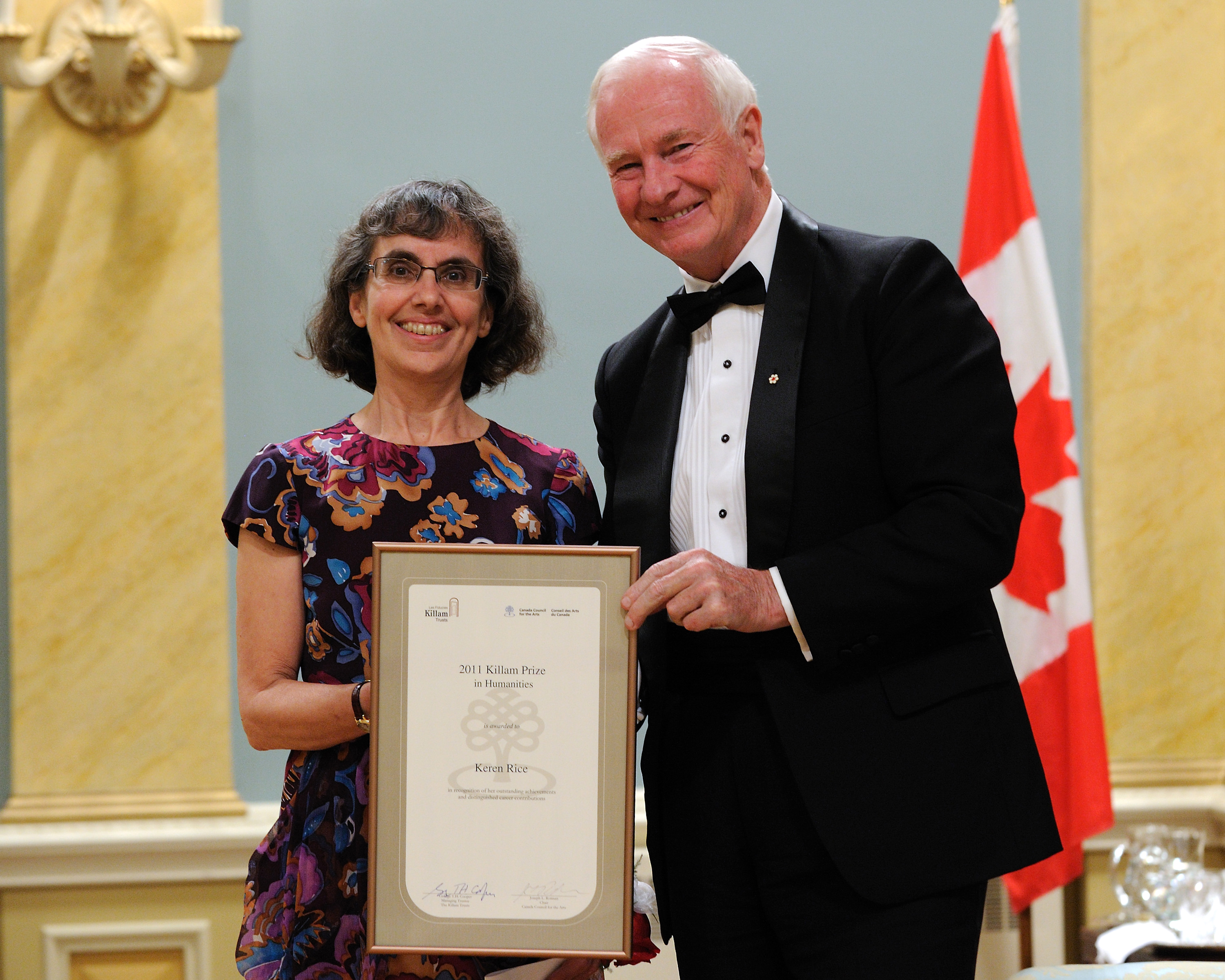
Keren Rice literally wrote the book on the Slavey (Dene) language, one of the official languages of Canada’s Northwest Territories. Her work has been critical in documenting one of Canada’s living languages, an important element of our rich Aboriginal heritage. Professor in linguistics and founding director of the Centre for Aboriginal Initiatives at the University of Toronto, she has dedicated the last 30 years to her study of the Dene language, and has been engaged in work to maintain and revitalize the language. Keren Rice has also conducted in-depth research that helps to unlock the highly sophisticated system of word formation in Dene and related languages. She is the editor of the International Journal of American Linguistics and is now serving her second term as Canada Research Chair in Linguistics and Aboriginal Studies.
Wed, 10/12/2011 - 12:00 Sgt Ronald Duchesne, Rideau Hall GG2011-0578-008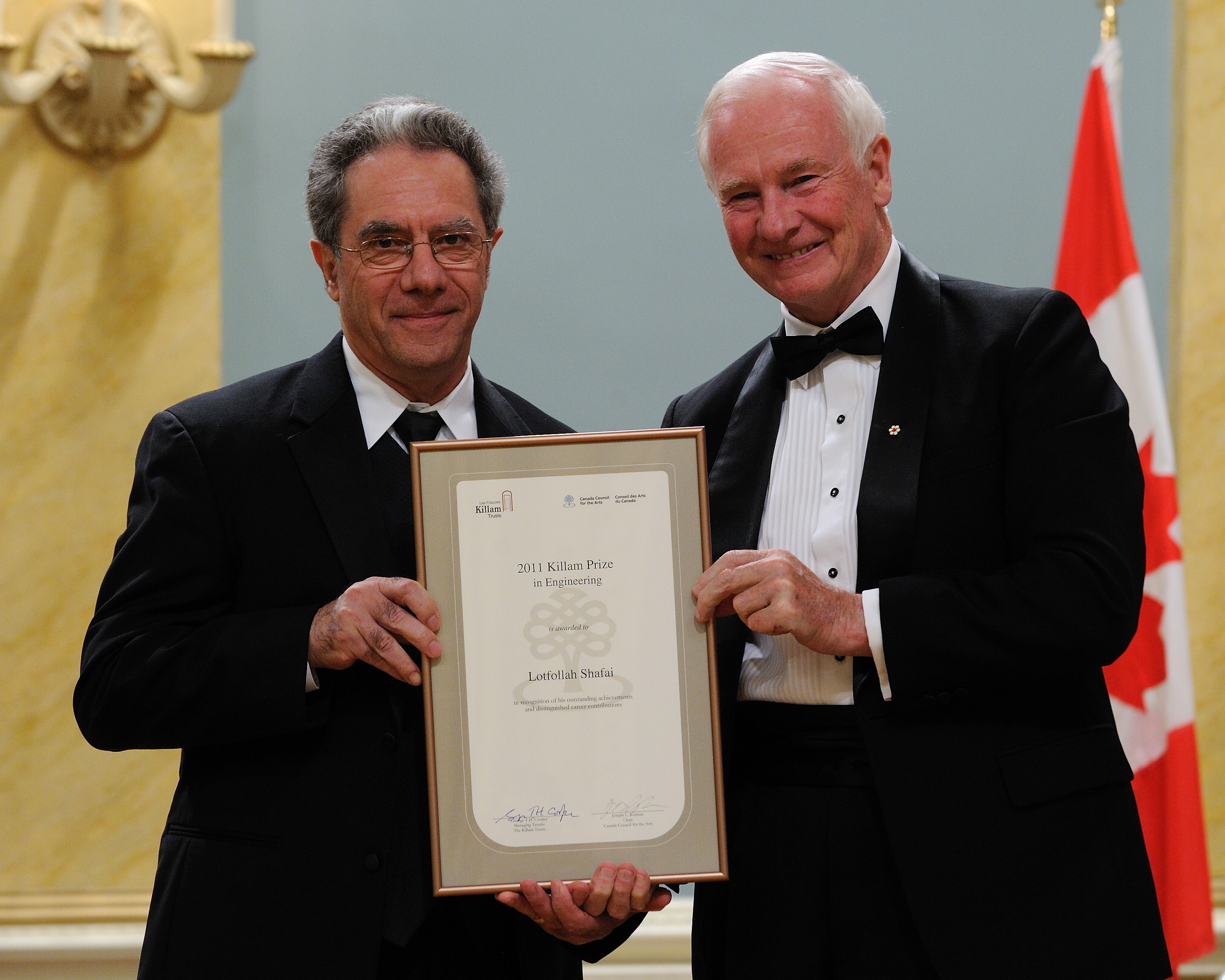
Acknowledged as one of the world’s most innovative antenna researchers, Lotfollah Shafai’s groundbreaking research has led to a range of developments that are already in wide use in the broadband wireless and satellite communication industries. Lotfollah Shafai is Canada’s leading expert in the field of applied electromagnetic and radiating systems. His early work led to the development of the first-generation picoterminals for the Canadian Hermes satellite—ultra-small, fully portable, satellite ground stations with antennas now in use around the globe—making direct satellite broadcasting accessible to the public. His research, in addition to his studies in telecommunications, has contributed to the advancement of new technologies, smart structures, remote sensing, telemedicine and medical imaging. In recent years, his work has also focused on the electromagnetic mapping of Arctic sea ice.
Wed, 10/12/2011 - 12:00 Sgt Ronald Duchesne, Rideau Hall GG2011-0578-009